
PRP vs Exosomes: Comparing Regenerative Skin Treatments
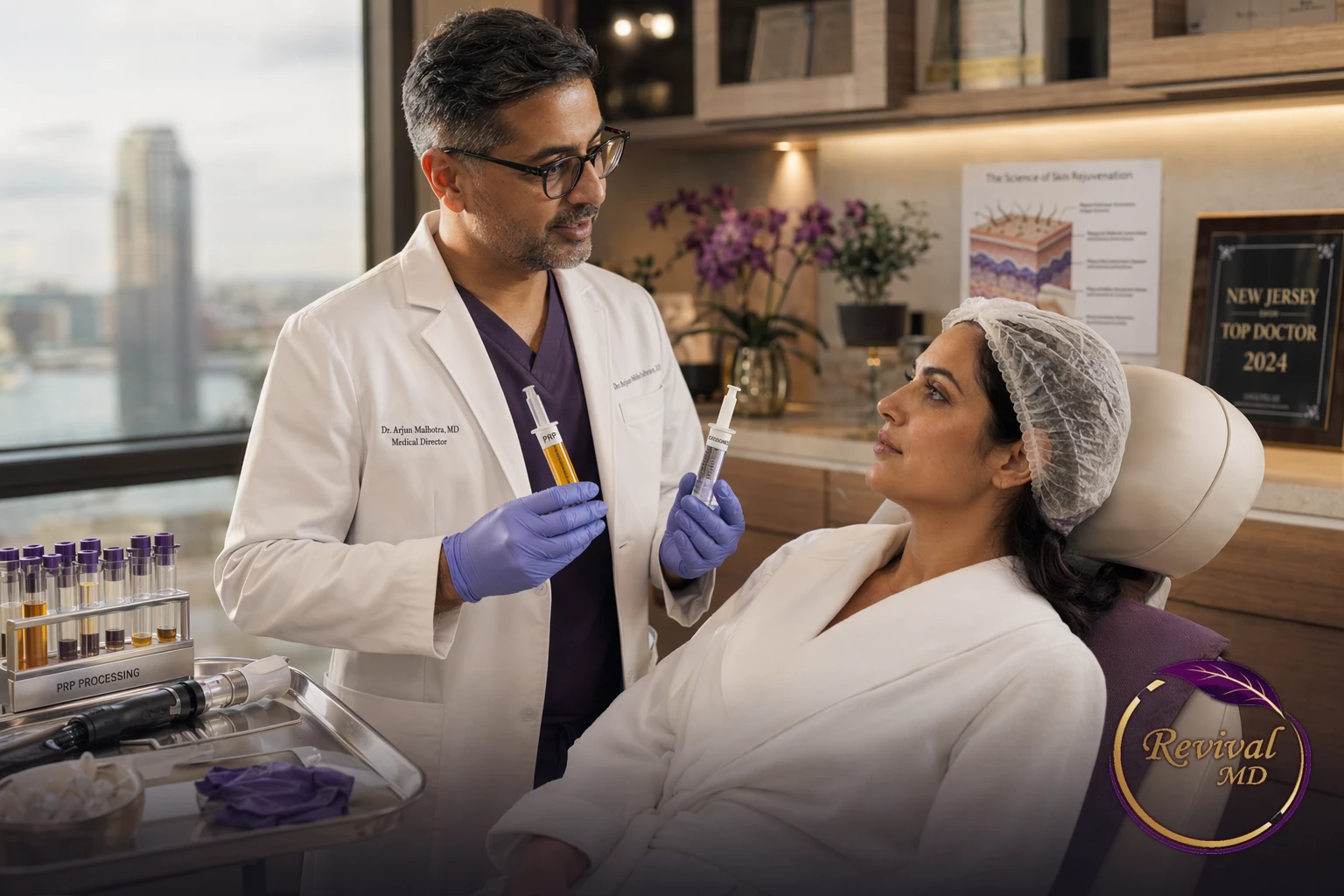
Compare PRP vs exosomes for skin repair at a physician-led medical spa Rahway NJ. Learn benefits, safety, and options. Book a consult. Today. Call now.
PRP vs Exosomes: Comparing Regenerative Skin Treatments at a Physician-Led Medical Spa
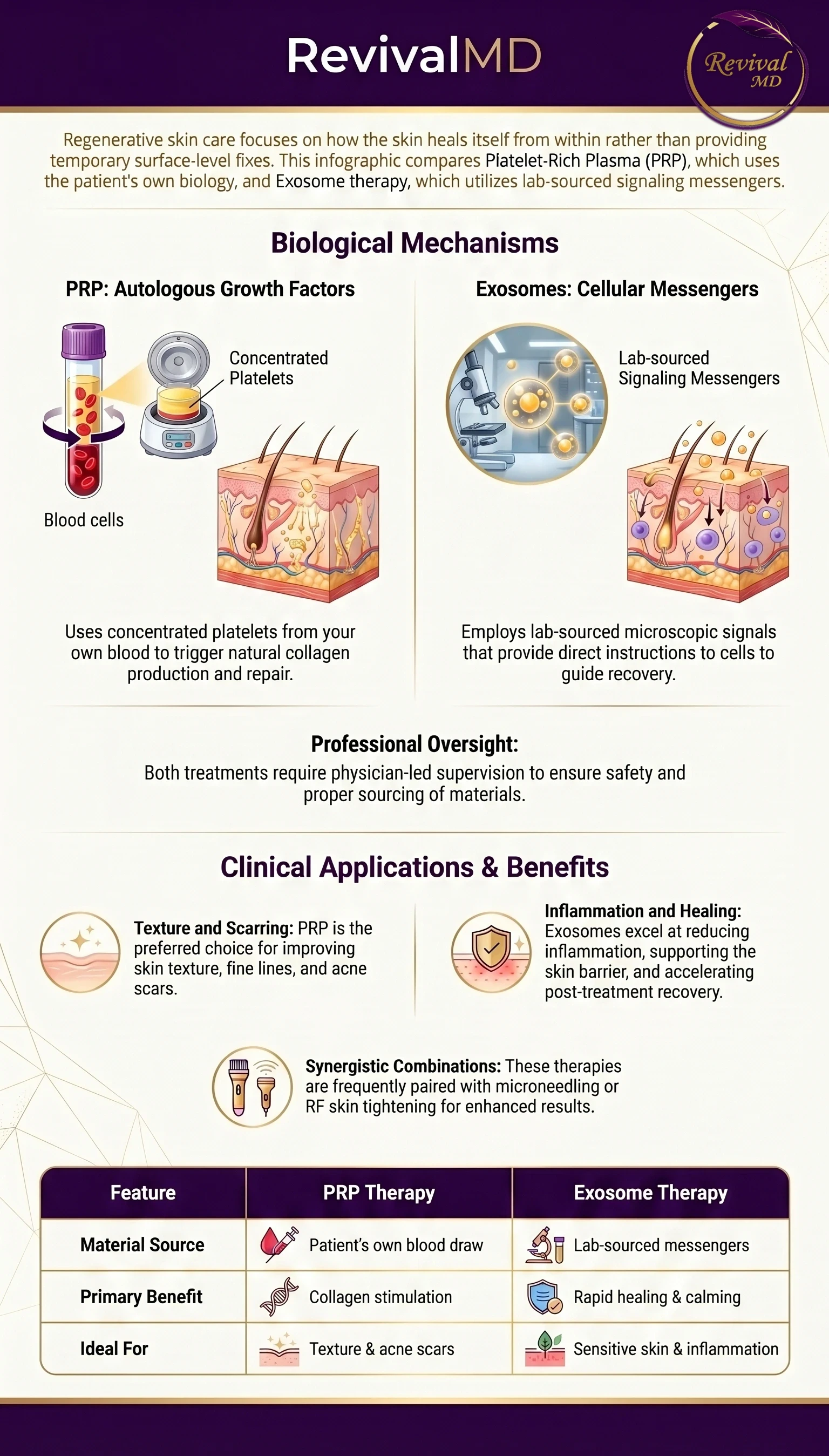
PRP vs Exosomes compares two regenerative treatments that help skin repair itself using biological signals. PRP uses platelet rich plasma from your own blood, while exosome therapy uses lab-prepared messengers to guide cell repair. Both support rejuvenation, collagen production, and long-term skin health when guided by physicians.
Patients often ask this question at a physician-led aesthetic clinic NJ residents trust. And honestly? It’s a fair question. These treatments sound similar, but the key differences matter.
This guide explains PRP vs Exosomes in plain language, based on real patient conversations at a medical spa Rahway NJ residents visit for thoughtful care.
Introduction: Why Patients Compare PRP and Exosomes
Many patients want smoother, youthful skin without surgery. But fine lines, scars, uneven tone, and slow healing can stick around. That’s frustrating. I’ve seen patients feel stuck here.
That’s where regenerative medicine comes in. Both PRP therapy and exosome therapy focus on regeneration, not cover-ups. They support skin cells, collagen, and healing from the inside out.
Patients also ask about hair loss, hair thinning, and early signs of advanced hair loss. These regenerative treatments are now used for skin and hair concerns, including hair growth and hair regrowth, which surprises some people.
What Is PRP Therapy and How Does It Work?
PRP therapy uses platelet rich plasma taken from your own blood. The blood is spun to concentrate platelets, then used as a prp treatment on the skin or scalp.
Platelets release growth factors that signal tissue regeneration, collagen production, and cellular regeneration. According to the American Academy of Dermatology, growth factors play a role in skin repair and inflammation control (AAD, 2023).
PRP treatment is often paired with microneedling. Tiny channels allow growth factors to reach skin cells more directly. A prp injection may also be used for hair loss to stimulate the hair follicle and support hair regrowth.
PRP treatment is part of regenerative medicine because it uses the body’s own healing systems. Many patients choose it for acne scars, texture, and hair growth support.
What Is Exosome Therapy?
Exosome therapy uses microscopic messengers called extracellular vesicles. These vesicles come from stem cell sources, often mesenchymal stem cell lines, and carry bioactive molecules.
Exosomes help with cellular communication. They deliver growth signals, proteins, and genetic material that guide repair. Think of them as a regenerative signal that tells cells what to do next.
Exosome treatment does not use your blood. That’s appealing for some patients. Exosomes therapy is often chosen for calming inflammation, supporting rejuvenation, and improving recovery after procedures.
Research suggests exosomes support tissue regeneration and skin barrier repair (Journal of Cosmetic Dermatology, 2024). This area of regenerative medicine is still growing, but results look promising.
PRP vs Exosomes: Key Differences in Regenerative Medicine
PRP vs Exosomes compares two paths to regeneration. PRP activates your own platelets. Exosomes deliver ready-made signals.
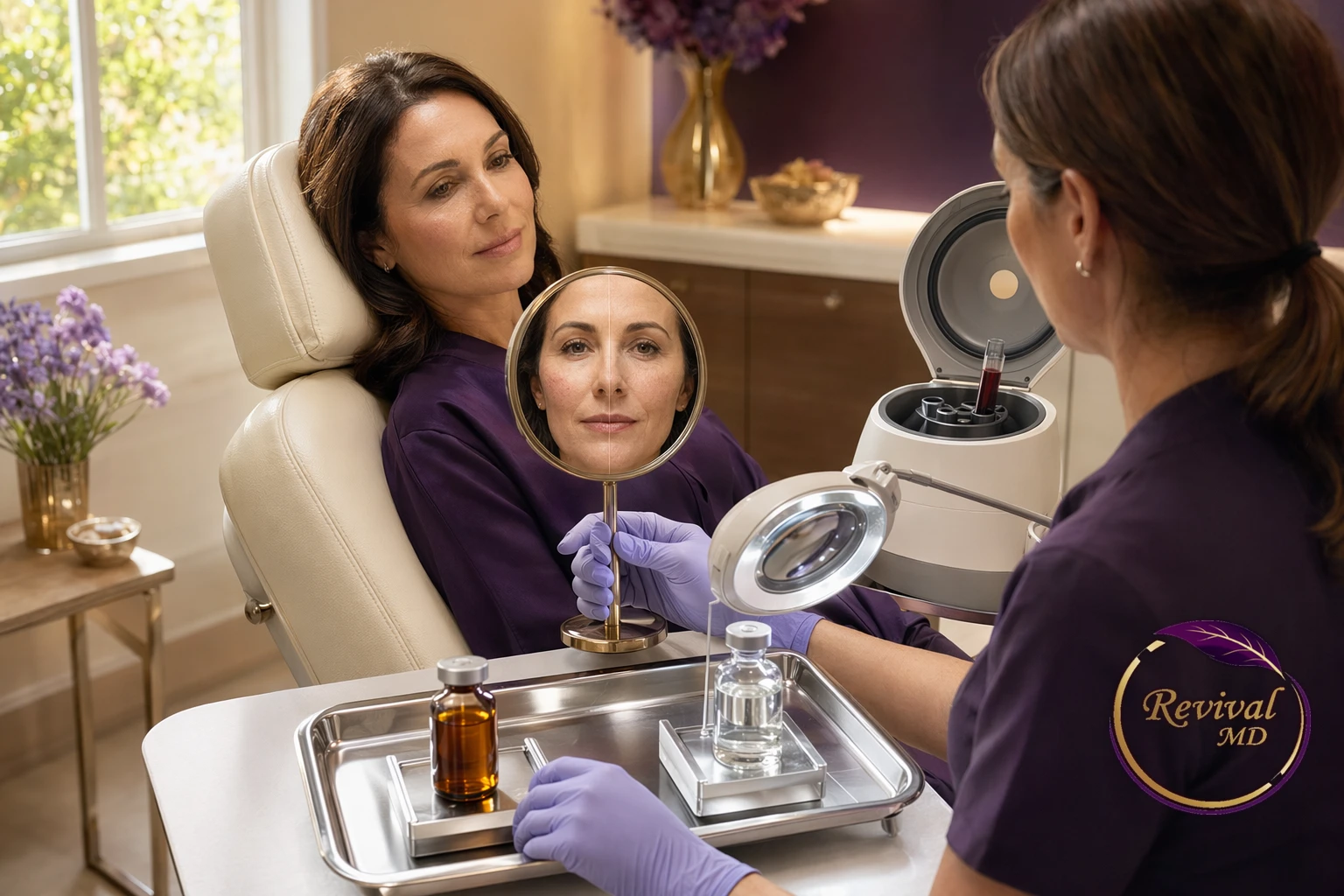
Those are the key differences patients should understand. One relies on your biology. The other relies on advanced regenerative aesthetics science.
Both treatments aim for rejuvenation, healthier skin, and better healing. Physician guidance matters because each patient responds differently.
Comparison Table: PRP vs Exosomes
| Feature | PRP Treatment | Exosome Therapy |
|---|---|---|
| Source | Patient’s blood | Lab-sourced extracellular vesicles |
| Main role | Stimulates growth factors | Guides cellular communication |
| Best for | Texture, scars, hair growth | Inflammation, recovery, rejuvenation |
| Blood draw | Yes | No |
| Medical oversight | Required | Required |
Skin and Hair Benefits Beyond Appearance
PRP treatment supports collagen production and skin regeneration. Over time, this can soften scars and improve youthful skin texture.

Exosome treatment may calm inflammation and speed healing. Patients with sensitive skin often notice smoother recovery.
Both treatments support skin health at the cellular level. That includes skin cells, connective tissue, and barrier repair. Rejuvenation here is about function, not just looks.
Hair concerns come up a lot. PRP treatment and exosome therapy are used to support hair growth, hair density, and hair regrowth. These treatments may help awaken dormant hair follicles and dormant follicles by improving blood flow and signaling to follicles.
Key Point: Regenerative treatment supports how skin and hair heal, not quick fixes.
Hair Growth and Scalp Regenerative Treatments
Hair loss is personal. Many patients worry about thinning hair, patchy hair density, or advanced hair loss.
PRP treatment for hair uses a prp injection into the scalp. Growth factors support the hair follicle and surrounding tissue. This may help slow shedding and support hair regrowth over time.
Exosome therapy for hair focuses on signaling. Exosomes deliver bioactive molecules that support follicles, cellular regeneration, and hair growth cycles.
Both approaches are part of regenerative medicine. Neither guarantees results. But under physician care, patients often see improved hair thickness, healthier follicles, and better scalp health.
Exosomes vs PRP for Hair and Skin
Patients often ask about exosomes vs prp for hair and skin. The answer depends on goals, biology, and healing speed.
Exosomes vs prp is not about which is stronger. It’s about which regenerative signal fits the patient. Some combine both treatments in a phased plan.
When discussing exosomes vs prp, physicians look at inflammation levels, platelet quality, and hair follicle health. That’s why consultations matter.
Combining Treatments With Microneedling and RF
Microneedling creates controlled micro-injuries that trigger regeneration.
PRP treatment pairs well with microneedling to boost collagen production and growth factors. This combo supports rejuvenation and smoother skin.
Exosome therapy pairs well with RF microneedling. Radiofrequency adds tightening, while exosomes support recovery and tissue regeneration.
Layered treatment plans are common in regenerative aesthetics. Nothing rushed. Everything planned.
Safety, Allergic Risk, and Physician Oversight
PRP therapy uses your own blood, so allergic reaction risk is low. Technique and sterility still matter.
Exosome treatment must be properly sourced and processed. Poor-quality products raise safety concerns, including allergic reaction risk.
At RevivalMD, a physician-led aesthetic clinic NJ patients trust, treatments are supervised by Dr. Haroon Arshad, MD, MBA, Dr. M. Miz. Haque, MD, MHA with over 25 years of experience, and Sanna Arshad, PA-C, MHA. Care is offered in Rahway and Fair Lawn.
Warning: Regenerative medicine should always be physician supervised.
Who Is a Good Candidate?
PRP treatment may suit patients with acne scars, uneven texture, or early hair thinning.
Exosome therapy may suit patients with inflammation, slow healing, or sensitive skin.
Some patients combine both as part of a regenerative treatment plan. The patient’s cell health, goals, and medical history guide decisions.
Results Timeline and Expectations
PRP treatment works gradually. Collagen production and regeneration take weeks.
Exosome therapy may calm skin sooner, but texture changes still take time. Rejuvenation is a process.
A physician will review expectations clearly. No frozen looks. No extreme promises.
PRP, Exosomes, and Other Regenerative Services
Regenerative care often pairs with Botox, RF tightening, and iv therapy for wellness support.
Hair removal, weight management, and hormonal care may also fit into a broader plan. Patients like having options under one roof.
You might even notice these topics discussed in recent posts on regenerative aesthetics trends. It comes up a lot.
Frequently Asked Questions
Is PRP treatment part of regenerative medicine?
Yes. PRP treatment uses platelet rich plasma to support regeneration and healing at the cellular level.
Can exosome therapy help hair growth?
Exosome therapy may support hair growth by improving follicle signaling and cellular communication. Results vary by patient.
Is there downtime?
Redness usually lasts one to three days. RF-based treatments may take longer.
Are these treatments safe?
When physician supervised, both treatments have strong safety profiles. Product quality and technique matter.
Final Thoughts and Key Takeaways
PRP vs Exosomes is not about trends. It’s about regeneration, patient needs, and biology.
Both treatments support rejuvenation, skin health, and hair growth when done correctly. Regenerative medicine works best with thoughtful planning and physician oversight.
Ready to talk it through?
Book at revivalmd.com/book-now/
Rahway: (848) 304-3063
Fair Lawn: (551) 347-1025
Sources
- American Academy of Dermatology
- Journal of Cosmetic Dermatology
Interested in This Treatment?
Book a consultation to learn how we can help you achieve your goals.
Book Consultation