
Microneedling vs RF Microneedling: Which Treatment is Right for You
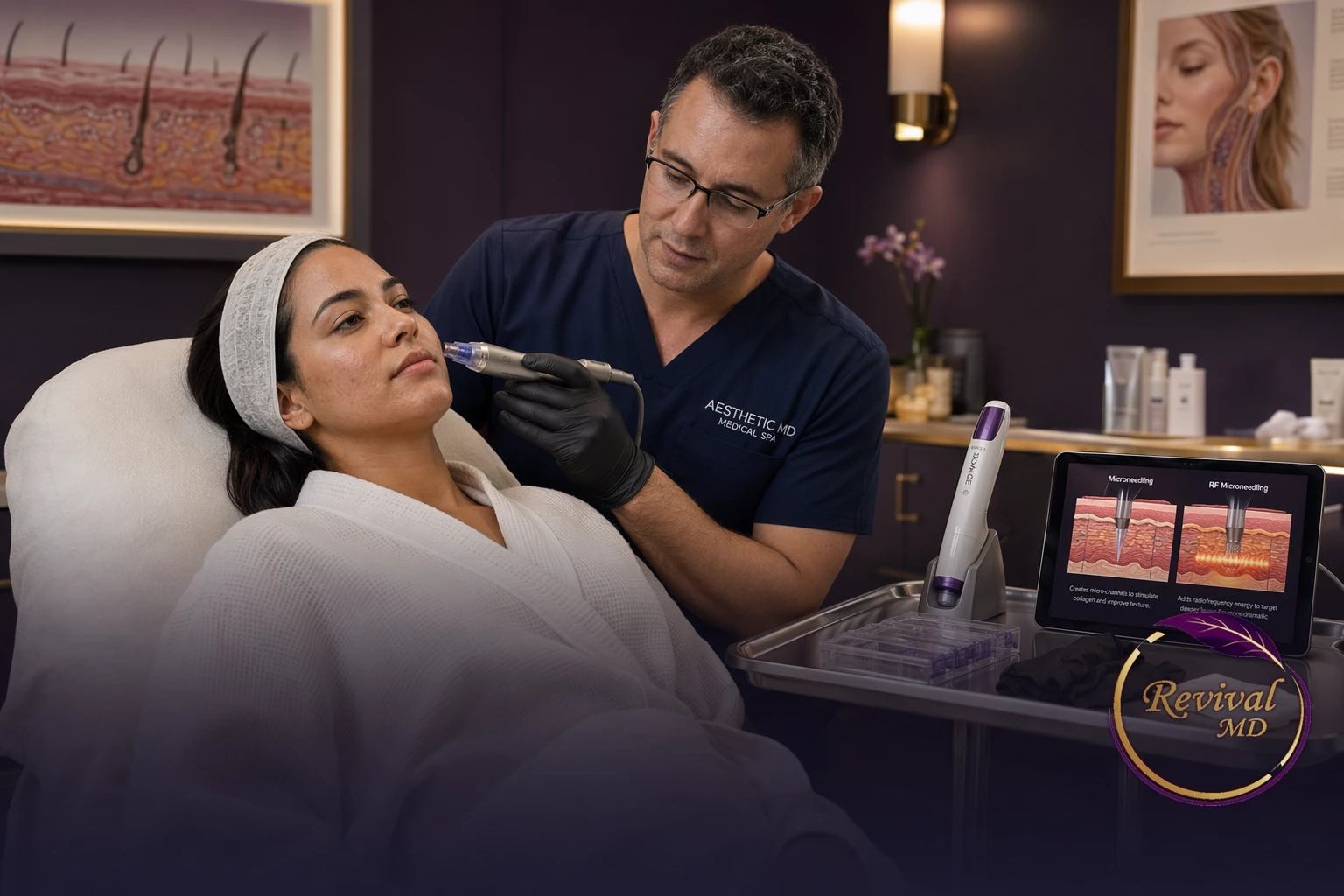
Compare microneedling vs RF microneedling at a physician-led medical spa in Rahway NJ. Learn benefits, safety, and results. Book a consult today. Act now.
Microneedling vs RF microneedling comes down to what your skin needs most, surface repair or deeper tightening. Traditional microneedling improves texture and early wrinkles, while RF options add heat for skin tightening and laxity. A physician-led plan helps match the right microneedling treatment to your skin goals, timeline, and long-term skin health.
Introduction
Acne scars. Wrinkles that won’t smooth out. Loose skin that shows up in photos first. Sound familiar?
Many patients asking about microneedling treatments are really asking one thing. How do I get better results without surgery or harsh downtime?
Some people start with traditional microneedling to improve texture and enlarged pores. Others need more help with laxity, deeper wrinkles, or uneven skin tone. And yes, patients often ask about other services too, like botox or laser hair removal, while they’re here. They want one place they trust, a physician-led medical spa NJ patients rely on for honest advice.
At RevivalMD Aesthetic Clinic, with locations in Rahway and Fair Lawn, the focus stays on skin rejuvenation and natural results. No pressure. No frozen look. Just guidance from board-certified physicians who actually listen.
What Is Microneedling
Traditional microneedling is a collagen induction therapy that uses a fine needle to create controlled micro openings in the skin. These controlled micro injuries signal the body to heal itself. Healing means collagen stimulation and new elastin.
Collagen is the protein that keeps skin firm. Over time, collagen production slows. Traditional microneedling helps restart collagen production by encouraging collagen remodeling in the upper skin layers. That’s why this microneedling treatment works well for texture, fine lines, acne scars, and uneven skin tone.
Most traditional microneedling sessions take about 30 minutes. Tiny needles move across the skin in a precise pattern. Redness usually fades in one to two days, which many patients appreciate for minimal downtime. This approach is popular for early skin rejuvenation and for patients just starting their skin care journey.
Many patients also pair traditional microneedling with platelet rich plasma. PRP adds growth factor support from your own blood, which can improve healing and collagen stimulation. From what I’ve seen, this combo tends to support smoother texture and glow.
What Is RF Microneedling
RF microneedling builds on traditional microneedling by adding radiofrequency energy. The tiny needles still create channels, but an rf microneedling device also delivers heat into the deeper skin layers.
This heat comes from radiofrequency or radio frequency waves. RF energy tightens existing collagen and triggers collagen production deeper in the skin. That deeper penetration makes a difference for loose skin, laxity, and deeper wrinkles.
An rf microneedling treatment targets the deeper layers where structural support lives. Devices like Morpheus8 RF microneedling, Genius RF, and Sylfirm X are well-known examples of radiofrequency microneedling systems used in physician-led settings.
Because RF energy works below the surface, patients often see skin tightening and collagen remodeling over several weeks. Downtime can be a bit longer than traditional microneedling, but many patients need fewer sessions to see a noticeable result.
Key Differences Between Microneedling and RF Microneedling
Understanding the key differences helps set realistic expectations and avoid over-treating skin.
Treatment Depth and Technology
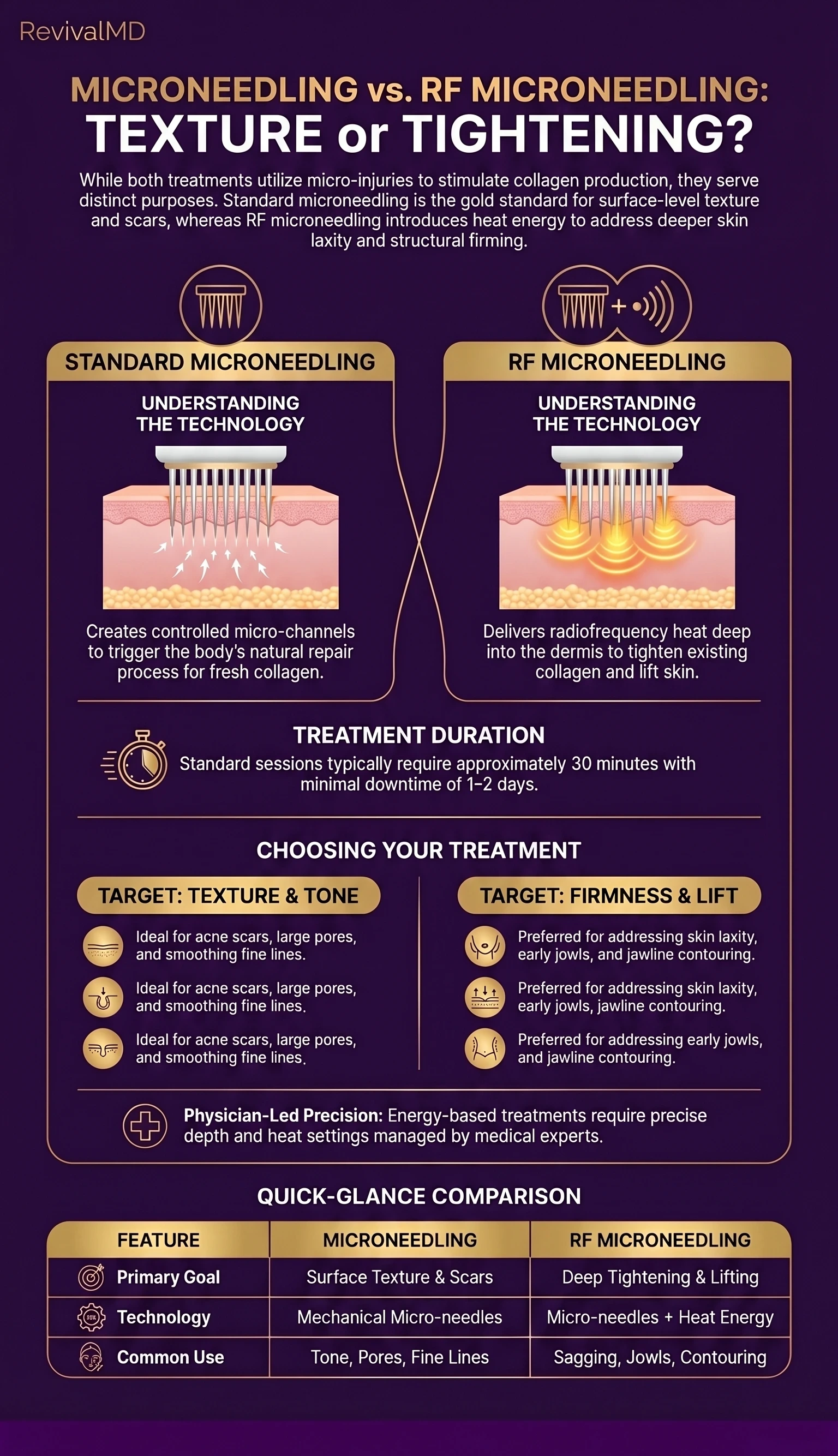
Traditional microneedling works mainly in the upper layers of skin. It relies on tiny needles and controlled micro injury. RF microneedling reaches deeper skin layers and delivers rf energy at specific depths for collagen stimulation and skin tightening.
Results for Texture vs Tightening
Traditional microneedling is ideal for texture, enlarged pores, fine lines, and acne scars. RF microneedling also improves texture but adds tightening for loose skin and laxity. That deeper collagen production helps with deep wrinkles and early jowls.
Downtime and Comfort
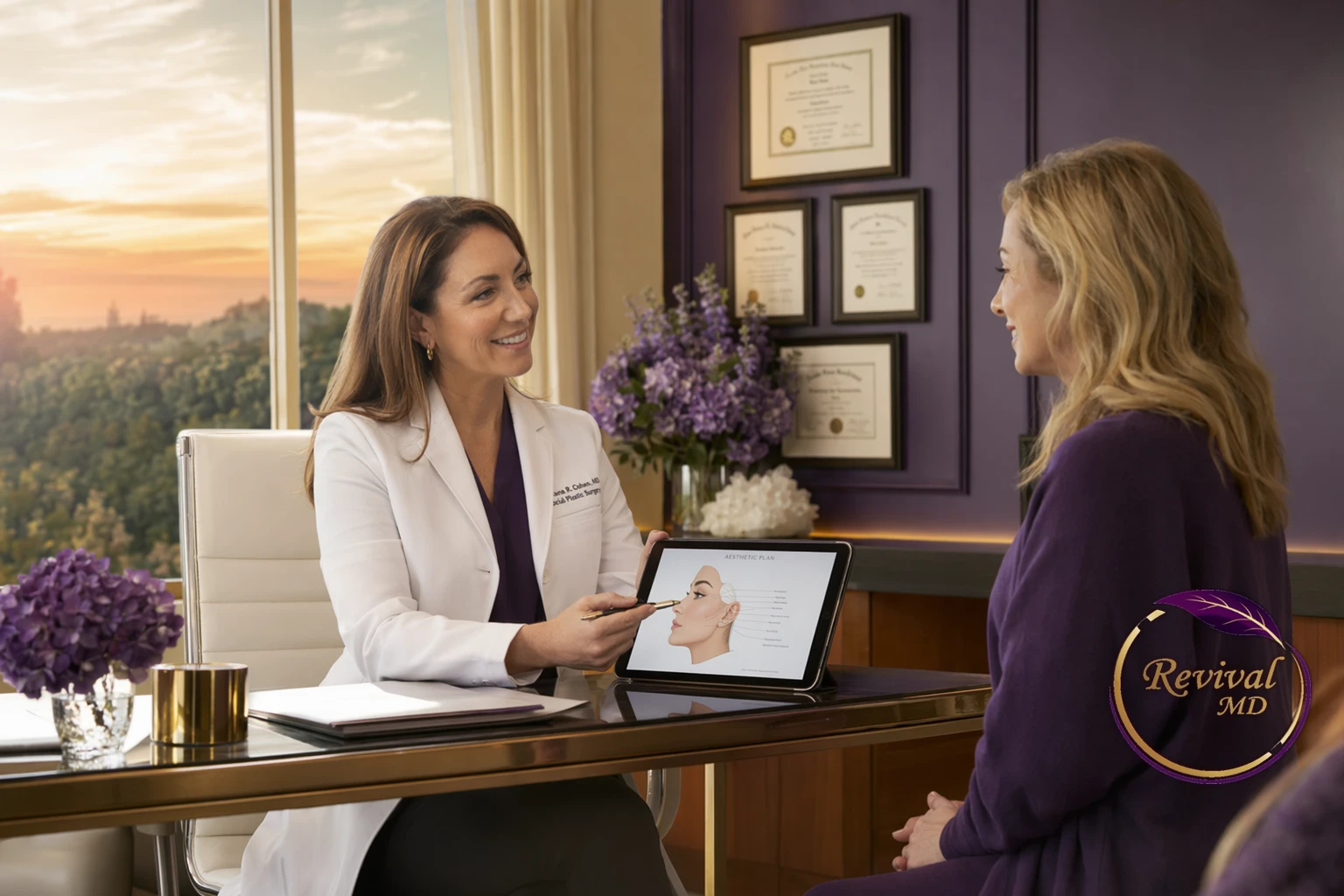
Most traditional microneedling treatments have minimal downtime. RF microneedling may cause redness or swelling for a few days. Physician-led care helps tailor settings, manage comfort, and protect skin tone.
Which Treatment Fits Your Skin Goals
Here’s the thing. The best treatment depends on what bothers you most.
If texture, enlarged pores, or a stretch mark are the main concern, traditional microneedling often works well. If laxity, loose skin, or deeper wrinkles are the issue, radiofrequency microneedling may be a better fit.
Age, skin thickness, and lifestyle matter too. Some patients start with traditional microneedling, then move to RF microneedling later. Others combine treatments with dermal filler to restore volume or soften wrinkles while collagen builds.
And yes, combination plans can lead to better results. From what I’ve seen, pairing the right microneedling treatment with botox or a chemical peel can support smoother skin tone and balanced skin rejuvenation.
Devices and Technology Matter
Not all microneedling tools are the same.
SkinPen microneedling is a popular option for traditional microneedling when precision and safety matter. It uses a medical-grade fine needle system designed for consistent depth.
For RF options, devices like Morpheus8 RF microneedling, Genius RF, and Sylfirm X allow controlled delivery of radiofrequency energy into deeper layers. The rf microneedling device chosen affects depth, rf energy delivery, and overall collagen remodeling.
That’s why physician oversight matters. Settings, depth, and radiofrequency energy must match your skin goals and skin tone to avoid uneven skin tone or irritation.
Safety and Physician-Led Care
Energy-based treatments are medical treatments. Period.
Radiofrequency microneedling uses heat. Depth and rf energy levels must be precise. Poor technique can affect skin tone or healing.
RevivalMD Aesthetic Clinic is led by Dr. Haroon Arshad, MD, MBA, Dr. M. Miz. Haque, MD, MHA with over 25 years of clinical experience, and Sanna Arshad, PA-C, MHA with over 9 years in aesthetics. Care is provided at their Rahway and Fair Lawn locations, with hospital affiliations including Bergen New Bridge Medical Center and The Valley Hospital.
Honestly? That level of oversight makes a difference.
Enhancing Results With PRP and Regenerative Options
Some patients want to boost healing and collagen stimulation.
Platelet rich plasma adds growth factor support after traditional microneedling or an rf microneedling treatment. This approach may help with collagen production and recovery, especially for uneven skin tone or stubborn texture.
Exosome therapy is another option used alongside microneedling treatments. These signaling particles support skin rejuvenation and collagen remodeling. Whether PRP or exosomes are right depends on your skin goals and tolerance.
Looking Beyond Microneedling
Patients focused on skin rejuvenation often explore other services too.
Some combine microneedling treatments with dermal filler for volume support. Others add botox to soften expression wrinkles while collagen builds underneath. Wellness services, IV therapy, and weight loss programs can also support overall skin health.
Laser hair removal is also offered, but it’s usually part of a broader plan, not the focus. The goal stays the same. Natural results, balanced care, and long-term skin health.
Frequently Asked Questions
Is RF microneedling better than regular microneedling?
RF microneedling adds radiofrequency energy for skin tightening. Traditional microneedling focuses more on texture and fine lines. The best choice depends on laxity, wrinkles, and skin goals.
How many sessions do most people need?
Traditional microneedling often requires a series of sessions. RF microneedling may need fewer sessions due to deeper collagen stimulation.
Does microneedling help wrinkles?
Yes. Traditional microneedling helps fine wrinkles, while RF microneedling targets deep wrinkles and loose skin through collagen production.
Can microneedling be combined with other treatments?
Yes. Many patients combine microneedling treatment plans with botox, dermal filler, PRP, or a chemical peel for better results.
Is downtime minimal?
For most people, traditional microneedling offers minimal downtime. RF microneedling may take a few extra days, depending on depth and rf energy used.
Final Thoughts
So, choosing between traditional microneedling and RF microneedling depends on texture versus tightening. Traditional microneedling supports collagen induction therapy, smoother texture, and skin tone. RF microneedling adds radiofrequency energy for laxity, skin tightening, and deeper collagen remodeling.
The right result starts with a physician-led consultation that matches treatment depth, technology, and skin goals. Ready to talk it through? Book a consultation at revivalmd.com/book-now/.
Rahway: (848) 304-3063
Fair Lawn: (551) 347-1025
Sources
- American Academy of Dermatology (aad.org)
- American Society of Plastic Surgeons (plasticsurgery.org)
Interested in This Treatment?
Book a consultation to learn how we can help you achieve your goals.
Book Consultation