
Complete Guide to Medical Weight Loss in NJ
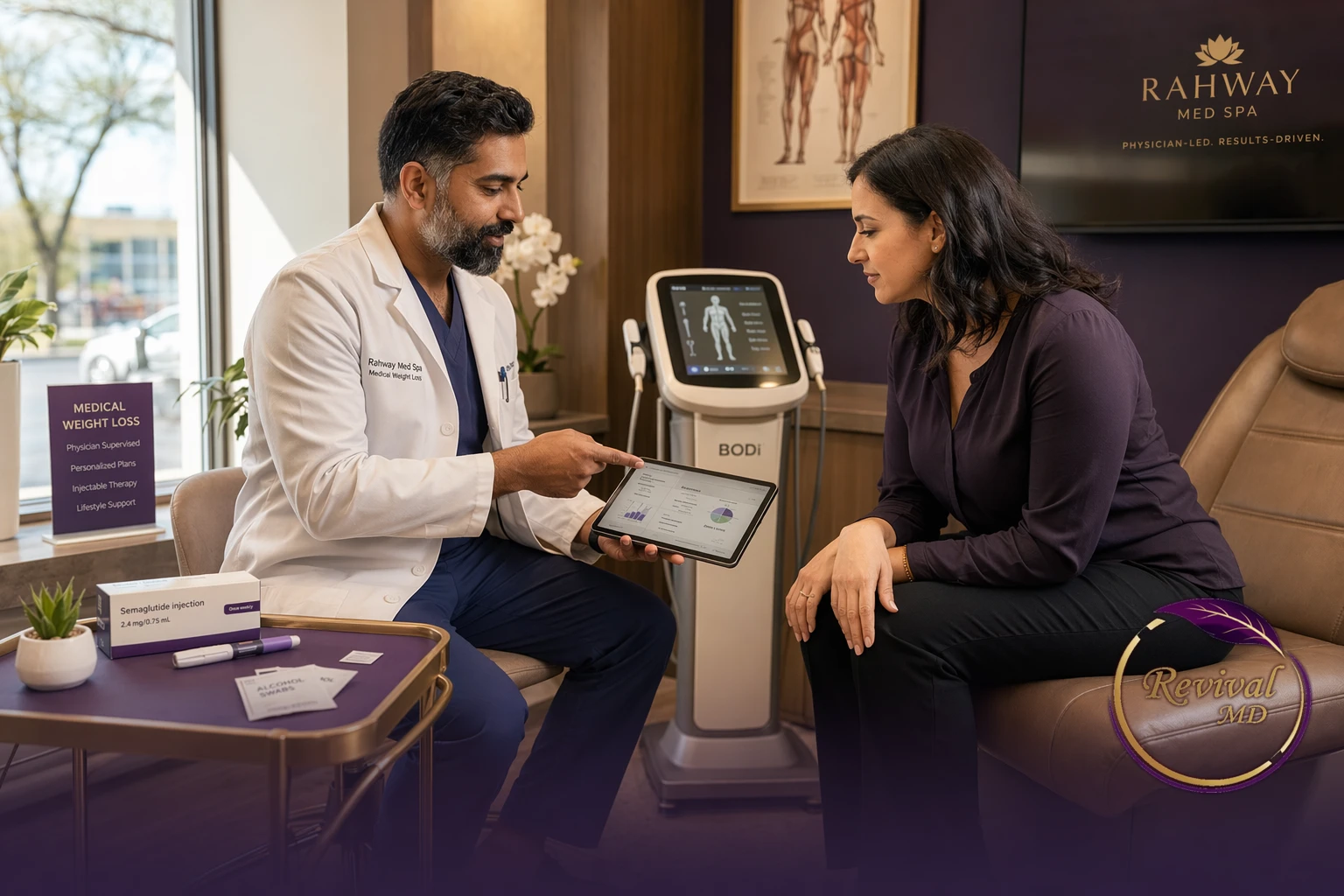
Learn how physician-led medical weight loss in NJ works, including semaglutide, safety, and support at a trusted med spa in Rahway and Fair Lawn. Book now.
A complete guide to medical weight loss in NJ explains how doctor-supervised care treats metabolism, hormones, and long-term health, not just calories. This guide focuses on medical weight loss NJ options that support weight management, overall health, and sustainable habits instead of quick fixes.
Sound familiar? You cut calories. You move more. And the scale barely shifts. That’s often metabolic. Not effort. Many patients face weight gain even when they do everything “right.” This guide to medical weight loss NJ patients read looks at why that happens and what actually supports a healthier body over time.
Introduction to Medical Weight Loss
Many adults feel stuck despite years of trying. Stress, poor sleep, obesity, hormones, and busy schedules all pile on. Diet plans rarely adjust when life changes.
Medical weight loss NJ care focuses on medical weight management that adapts as your body changes. It supports weight management without shame. The goal is a healthy weight that improves blood pressure, blood sugar, and energy.
At a medical spa Rahway NJ patients trust, care is led by licensed clinicians. The same philosophy guides this med spa New Jersey patients choose for a structured weight loss program focused on long-term wellness, not sales.
What Is Medical Weight Loss?
Medical weight loss is physician-guided care for losing weight safely. It may include prescription medication, labs, nutritional counseling, and regular follow-ups. The focus is metabolic health, not extreme restriction or surgery.
Unlike weight loss surgery, this approach doesn’t alter anatomy. Surgery like gastric bypass surgery or other weight loss surgery options may help some people with severe obesity, but surgery isn’t right for every patient. Many prefer a medical weight loss program before considering surgery.
Medical weight loss NJ care supports patients who want a personalized weight loss plan without committing to surgery right away.
Medical Weight Loss vs Surgery Options
Here’s a simple comparison many patients ask about.
| Option | Key Focus | Best For |
|---|---|---|
| Medical weight loss program | Medication, diet, lifestyle change | Patients avoiding surgery |
| Weight loss surgery | Physical stomach changes | Severe obesity cases |
| Gastric bypass surgery | Alters digestion | Specific medical needs |
Weight loss surgery can improve type 2 diabetes and high blood pressure in some cases. Still, surgery carries risks and recovery time. Medical weight management offers another path for patients seeking successful weight loss without surgery.
Why Physician-Led Care Matters
Weight loss medications affect appetite hormones and blood sugar. That’s why a healthcare provider must supervise treatment.
Care is guided by Dr. Haroon Arshad, MD, MBA, and Dr. M. Miz. Haque, MD, MHA, with over 25 years of experience. Sanna Arshad, PA-C, MHA adds nine years of patient-centered care.
Physician oversight helps monitor blood pressure, cholesterol, and diabetes risk. It also protects patients who may have heart disease, high cholesterol, or another medical condition. This is professional medical advice, not guesswork.
How GLP-1 Medications Support Weight Management
GLP-1 medications like semaglutide reduce appetite and help regulate blood sugar. They support weight management by improving fullness signals.
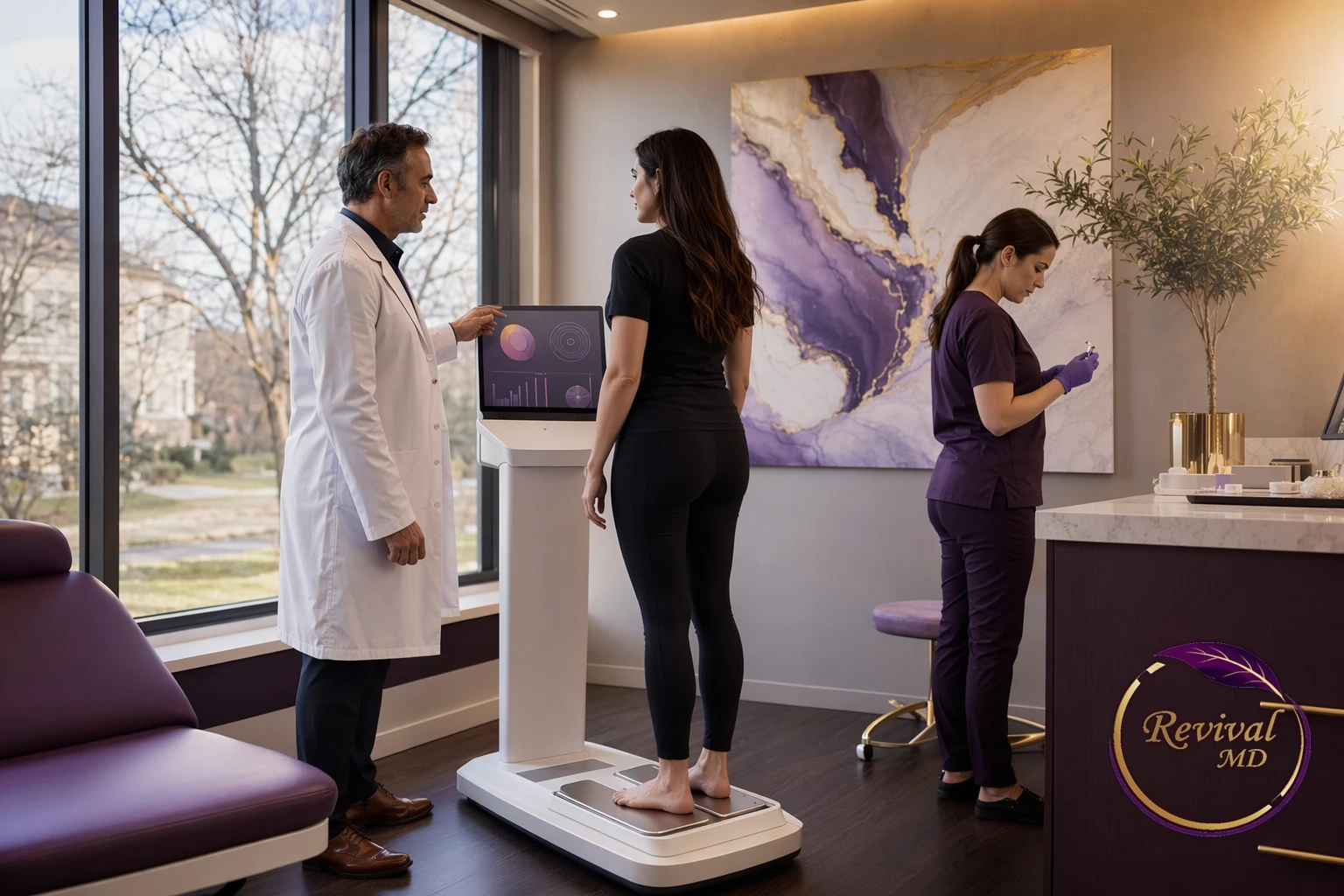
According to the American Diabetes Association, GLP-1 therapy helps patients with diabetes and type 2 diabetes improve metabolic health. These medications aren’t surgery. They work best alongside diet changes and a weight loss program.
This approach supports sustainable weight loss when combined with lifestyle support.
Safety, Monitoring, and Patient Support
Side effects like nausea are often mild and managed through dose changes.
Each patient receives a treatment plan based on body mass index, labs, and medical history. Follow-ups track progress toward a realistic weight loss goal and goal weight.
Key Point: Medical oversight supports safer outcomes than unsupervised dieting or surgery alone.
Who Is a Good Candidate?
Medical weight loss may help patients with excess weight, obesity, diabetes, or weight-related health risks. It also helps those not ready for weight loss surgery.
Eligibility depends on BMI, overall health, and prior treatments. Some patients explore surgery later, others never need it. Both paths are valid.
This weight loss service is about choice, safety, and support.
Expected Results and Timelines
Results vary. Many patients see steady changes over months, not weeks. That’s normal.
The CDC reports gradual weight changes support better maintenance. Successful weight loss often improves blood pressure, blood sugar, and energy.
Losing weight safely beats rushing into surgery without preparation.
Nutrition, Diet, and Lifestyle Support
Diet guidance is part of care. Patients receive nutritional counseling from trained providers and registered dietitians.
Diet plans focus on protein, fiber, and balance. A lifestyle change makes weight management easier long term. This supports a healthy weight and overall health.
This wellness journey isn’t about perfection. It’s about progress.
Combining Weight Loss With Wellness Care
Some patients add IV therapy or vitamin support during their weight loss journey. These options support hydration and energy.
They don’t replace medical weight management or surgery decisions. They complement care when appropriate.
Local Care and Health System Connections
RevivalMD serves patients in Rahway and Fair Lawn, NJ. Care aligns with standards seen in larger systems like rwjbarnabas health.
Patient forms, labs, and follow-ups are streamlined. That matters when you’re busy.
Access to a consistent healthcare provider improves outcomes and trust.
Frequently Asked Questions
Is medical weight loss safer than surgery?
For many patients, yes. Surgery like weight loss surgery or gastric bypass surgery has benefits but also risks. Medical care avoids surgical recovery.
Can this help diabetes or high blood pressure?
Yes. Many patients see improvements in diabetes, blood pressure, and cholesterol with medical weight management.
Will I need surgery later?
Some patients choose surgery later. Others reach their goal weight without it. Your provider helps guide that choice.
Is this professional medical advice?
Yes. Care is physician-led and tailored to your medical condition and needs.
Final Thoughts
Medical weight loss NJ care offers a structured, patient-focused alternative to surgery. It supports weight management, metabolic health, and sustainable weight loss.
Whether you’re early in your weight loss journey or trying again after setbacks, physician guidance matters. Book a consultation at revivalmd.com/book-now/ or call Rahway at (848) 304-3063 or Fair Lawn at (551) 347-1025. No pressure. Just clear, professional medical advice.
Sources
- National Institutes of Health (nih.gov)
- Centers for Disease Control and Prevention (cdc.gov)
- American Diabetes Association (diabetes.org)
Interested in This Treatment?
Book a consultation to learn how we can help you achieve your goals.
Book Consultation